English


What Are You Looking For?
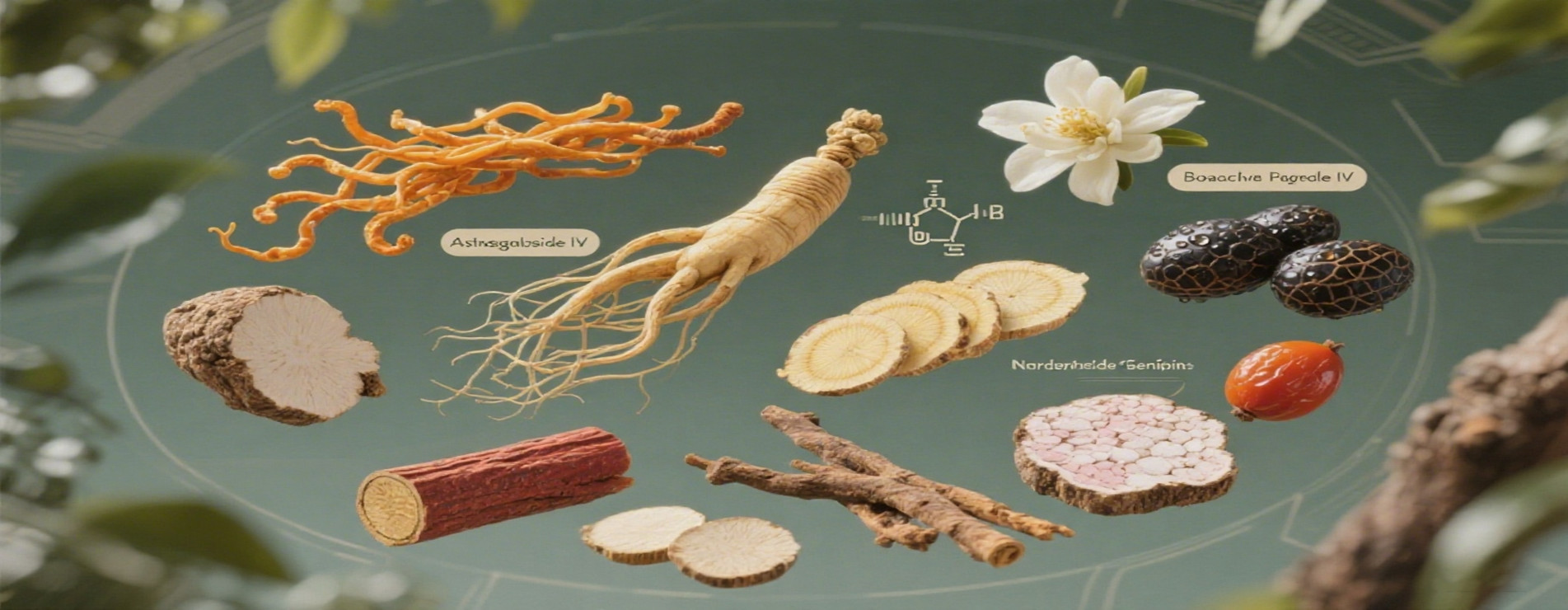
The production of high-purity Cordycepin requires a combination of biological cultivation technology, extraction expertise, purification processes, and rigorous analytical testing. Unlike simple botanical extracts, 98% Cordycepin represents a highly standardized single compound that requires precise control throughout the entire manufacturing process.
For global buyers, evaluating Cordycepin quality involves more than checking purity percentage. A reliable assessment should include raw material traceability, production technology, analytical methods, HPLC chromatograms, COA documentation, residual solvent testing, and batch consistency.
As demand for standardized natural compounds continues to grow, high-purity Cordycepin has become increasingly important across scientific research, biotechnology, nutraceutical development, functional ingredients, and other emerging applications.
Commercial Cordycepin production has evolved significantly from traditional fungal extraction methods toward more controlled and scalable manufacturing approaches.
Today, high-purity Cordycepin is generally obtained from cultivated Cordyceps militaris through a combination of:
The goal of production is not only to achieve high purity but also to ensure:
The production process begins with carefully selected Cordyceps militaris strains.
Important factors include:
Compared with wild fungal resources, cultivated strains provide better control over raw material quality and production consistency.
Modern production may utilize controlled cultivation systems or fermentation technologies designed to optimize biomass growth and target compound production.
Key parameters include:
Controlled production conditions help improve reproducibility between different batches.
After cultivation, the biomass undergoes extraction to obtain Cordycepin-containing fractions.
Extraction parameters may influence:
A well-designed extraction process is essential for maintaining product quality.
Crude extracts contain multiple natural compounds.
Therefore, additional purification steps are required to obtain high-purity Cordycepin.
Typical purification stages include:
The final objective is achieving a standardized Cordycepin product meeting the required purity specification.
Before shipment, each batch should undergo analytical verification.
Typical quality evaluation includes:
| Test Item | Purpose |
|---|---|
| HPLC Purity | Determine Cordycepin content |
| Identity Testing | Confirm compound identity |
| Appearance | Visual quality evaluation |
| Moisture | Stability assessment |
| Residual Solvents | Safety evaluation |
| Heavy Metals | Contaminant control |
| Microbiological Testing | Quality assurance |
For high-purity botanical compounds, manufacturing capability is not determined only by extraction technology. A qualified supplier should have a complete quality management approach covering raw materials, production control, analytical verification, documentation, and customer technical support.
For Cordycepin 98%, analytical transparency is especially important because purity alone does not fully describe product quality. Supporting documentation such as HPLC chromatograms, specifications, and batch records provides greater confidence for international buyers.
Purity is one of the most commonly evaluated parameters when purchasing Cordycepin.
A product labeled as:
represents different levels of refinement and different application requirements.
High-purity Cordycepin (98%) is typically selected when users require:
High-Performance Liquid Chromatography (HPLC) is one of the most widely used methods for determining Cordycepin purity.
A typical HPLC report provides:
For buyers, reviewing the HPLC chromatogram is an important step in supplier evaluation.
Identity testing ensures that the material supplied is truly Cordycepin.
Common analytical approaches include:
Depending on the production process, residual solvent analysis may be required to verify compliance with applicable standards.
Quality-focused suppliers should monitor:
as well as microbiological parameters when applicable.
Before purchasing, buyers should consider:
✅ Is HPLC purity clearly provided?
✅ Is a COA available?
✅ Is the manufacturing source transparent?
✅ Are analytical methods documented?
✅ Is batch consistency demonstrated?
✅ Are technical documents available?
Recommended supplier documents:
Cordycepin is widely used as a research compound in areas including:
Because purified Cordycepin provides a defined chemical structure, it is valuable for laboratory studies requiring standardized materials.
The growing consumer interest in mushroom-derived ingredients has increased demand for standardized Cordyceps-related compounds.
Compared with general mushroom powders, purified Cordycepin offers manufacturers a more clearly defined ingredient profile.
Applications may include:
Cordycepin is also studied within the broader field of functional food ingredients derived from natural sources.
Manufacturers evaluating Cordycepin typically focus on:
Natural compounds derived from fungi and botanical sources have attracted increasing attention in cosmetic science.
Cordycepin-related research continues to be explored within the broader natural ingredient research field.
For cosmetic developers, important considerations include:
The market trend is moving from traditional mushroom extracts toward standardized natural compounds with clearly defined chemical identities.
This shift creates increasing demand for ingredients such as:
Companies that can provide both product quality and technical documentation will have stronger advantages in the global ingredient supply chain.
Choosing a supplier involves more than comparing prices.
A professional evaluation should consider:
Reliable suppliers should understand:
International buyers commonly require:
A long-term supplier should demonstrate:
When evaluating Cordycepin suppliers, buyers should focus on:
1. Product authenticity
Confirm identity and purity through analytical documents.
2. Manufacturing transparency
Understand whether the supplier controls production or only distributes products.
3. Technical support
A professional supplier should be able to answer questions regarding:
4. Long-term cooperation ability
Stable supply capability is especially important for commercial projects.
High-purity Cordycepin production requires a combination of cultivation expertise, purification technology, and rigorous quality control. For international buyers, selecting a reliable supplier involves evaluating not only purity but also analytical documentation, manufacturing capability, and long-term supply reliability.
As the global market continues to move toward standardized botanical ingredients, Cordycepin represents an important example of how natural compounds can be transformed into high-quality industrial materials.


 IPv6 network supported