English


What Are You Looking For?
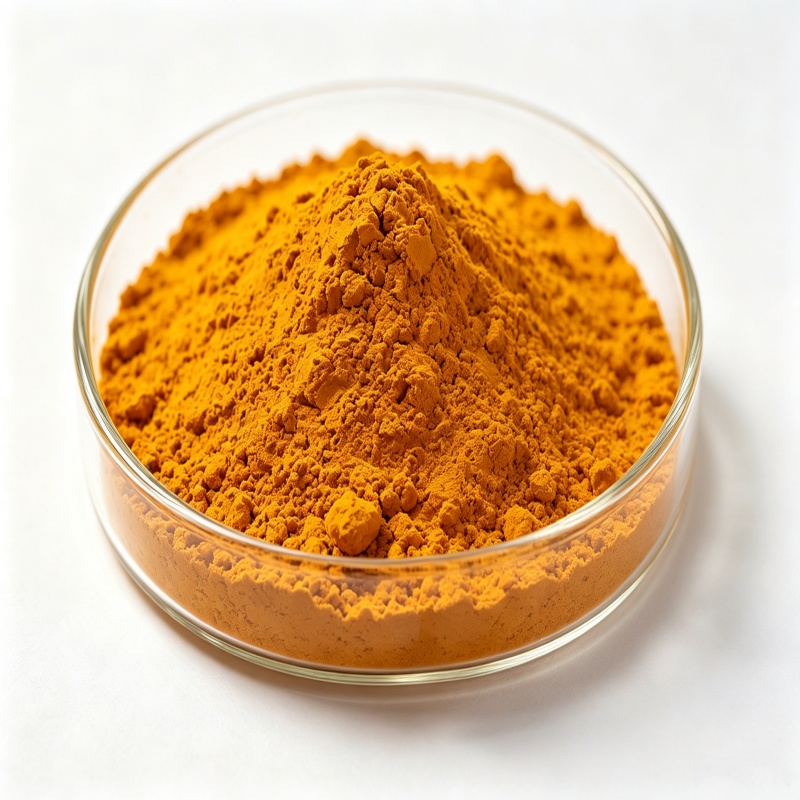
Dimethylcurcumin (ASC-J9), CAS 52328-98-0, is a synthetic curcumin analog with C23H24O6 and MW 396.43.
Research-grade yellow powder with COA, HPLC and SDS.
Product Name :
Dimethylcurcumin (ASC-J9)CAS No. :
52328-98-0Appearance :
Yellow PowderProduct Origin :
CHINASpecification :
98%HPLCDimethylcurcumin (ASC-J9) | CAS 52328-98-0
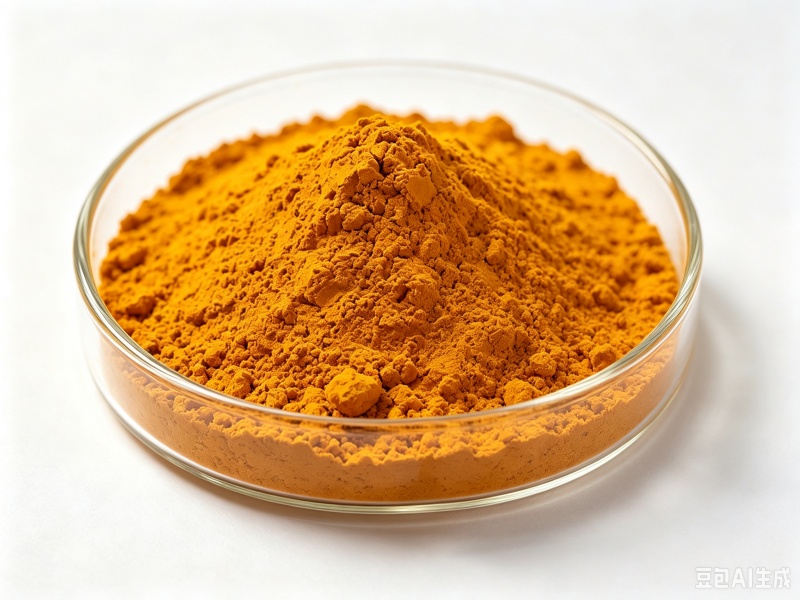
Dimethylcurcumin (ASC-J9) is a synthetic curcumin analog with the molecular formula C23H24O6 and a molecular weight of 396.43 g/mol. It is supplied as a yellow powder and is available for laboratory, analytical, biochemical, and pharmaceutical research applications.
CQ HERB supplies Dimethylcurcumin (ASC-J9) with customizable specifications and documentation for research and development requirements.
What is Dimethylcurcumin (ASC-J9)?
Dimethylcurcumin, also known as ASC-J9 or GO-Y025, is a synthetic curcuminoid-related compound with the CAS number 52328-98-0. It has a molecular formula of C23H24O6 and a molecular weight of 396.43 g/mol. Public chemical databases identify Dimethylcurcumin as a synthetic chemical compound structurally related to curcumin.
ASC-J9 has been investigated in laboratory research involving androgen receptor (AR) signaling and related molecular pathways. For commercial research supply, the material is generally positioned as a research compound rather than as a food or nutritional ingredient.
· Product Name: Dimethylcurcumin
· Common Name: ASC-J9
· Alternative Name: GO-Y025
· CAS Number: 52328-98-0
· Molecular Formula: C23H24O6
· Molecular Weight: 396.43 g/mol
· Appearance: Yellow powder
· Chemical Class: Synthetic curcumin analog / curcuminoid-related compound
· Application: Research and analytical use
· Typical Research Area: Androgen receptor signaling and molecular biology research
· Storage: Recommended under controlled, dry and low-temperature conditions according to product specifications
|
Parameter |
Specification |
|
Product Name |
Dimethylcurcumin |
|
Synonyms |
ASC-J9; GO-Y025 |
|
CAS No. |
52328-98-0 |
|
Molecular Formula |
C23H24O6 |
|
Molecular Weight |
396.43 g/mol |
|
Appearance |
Yellow powder |
|
Purity |
≥98% HPLC* |
|
Solubility |
Soluble in selected organic solvents such as DMSO |
|
Storage |
Store in a cool, dry and protected environment |
|
Intended Use |
Research use only |
* Actual specification should be adjusted according to your current COA and production capability. If your current product is not yet 98%, I recommend changing this to your actual assay instead of copying the market specification.
Public commercial research suppliers commonly offer ASC-J9 at ≥98% HPLC, in powder form, with low-temperature storage recommendations.
(1E,4Z,6E)-1,7-Bis(3,4-dimethoxyphenyl)-5-hydroxyhepta-1,4,6-trien-3-one
· Dimethylcurcumin
· ASC-J9
· ASC J9
· GO-Y025
· GO-Y-025
· CHC-004
The systematic chemical name and major synonyms are consistent with PubChem and other chemical databases.
|
Property |
Value |
|
Molecular Formula |
C23H24O6 |
|
Molecular Weight |
396.43 g/mol |
|
CAS Number |
52328-98-0 |
|
PubChem CID |
6477182 |
|
InChI Key |
ZMGUKFHHNQMKJI-CIOHCNBKSA-N |
Dimethylcurcumin is a synthetic curcuminoid-related compound structurally associated with curcumin. It is also known by the research code ASC-J9 and the synonym GO-Y025.
Unlike conventional curcumin obtained from Curcuma longa, Dimethylcurcumin supplied under CAS 52328-98-0 should be described as a synthetic compound, rather than a botanical extract.
Its molecular structure contains two substituted aromatic groups connected through a conjugated chain and includes methoxy and hydroxy functional groups. The compound has been characterized in chemical databases and commercial research catalogs.
ASC-J9 has attracted research interest because of its interaction with the androgen receptor (AR) signaling system.
Published and commercial research information describes ASC-J9 as an AR degradation enhancer and a compound investigated in studies concerning androgen receptor regulation. These studies include cellular and animal research models.
For website compliance and responsible scientific communication, these findings should be presented as research observations rather than therapeutic or clinical claims.
Dimethylcurcumin (ASC-J9) is a research compound that has been investigated in studies of androgen receptor signaling, protein regulation, and related molecular mechanisms.
This wording is much safer for CQ HERB than writing statements such as “treats prostate cancer,” “anti-cancer,” “treats androgen-related diseases,” etc.
Dimethylcurcumin (ASC-J9) may be used as a research reagent or reference compound in areas including:
ASC-J9 has been investigated in experimental studies involving androgen receptor regulation and signaling pathways.
The compound can be used as a research tool for studying molecular interactions and cellular signaling mechanisms.
ASC-J9 has been investigated as a research compound in preclinical pharmacology and drug-discovery studies.
High-purity Dimethylcurcumin can also be used as a reference or analytical material where appropriate.
Note: These applications refer to laboratory and research use. They do not imply approval for human or veterinary use.
Dimethylcurcumin is generally supplied as a powder. Publicly available commercial specifications describe ASC-J9 as a powder and recommend storage under controlled conditions, with some suppliers specifying −20°C storage.
Reported chemical data include a melting point around 129–130°C, although physical-property values may vary depending on the source and measurement conditions.
Dimethylcurcumin has limited water solubility and can be dissolved in certain organic solvents. DMSO is commonly used as a solvent for laboratory preparation; commercial research data report DMSO solubility for ASC-J9.
For experimental work, researchers should determine the appropriate solvent and concentration according to the specific experimental system.
|
Feature |
Dimethylcurcumin (ASC-J9) |
Curcumin |
|
Chemical Type |
Synthetic curcumin analog |
Natural curcuminoid |
|
CAS No. |
52328-98-0 |
458-37-7 |
|
Molecular Formula |
C23H24O6 |
C21H20O6 |
|
Molecular Weight |
396.43 |
368.38 |
|
Origin |
Synthetic |
Primarily obtained from Curcuma longa |
|
Common Research Name |
ASC-J9 / GO-Y025 |
Curcumin |
|
Research Focus |
Molecular and receptor-related research |
Broad biochemical and nutritional research |
|
Intended CQ HERB Positioning |
Research compound |
Botanical-derived ingredient |
Important: Dimethylcurcumin should not be presented as simply another form of natural curcumin. It is a structurally modified synthetic analog.
CQ HERB provides Dimethylcurcumin (ASC-J9) for B2B research and development applications, with technical documentation available according to customer requirements.
· Research-grade Dimethylcurcumin
· Customized purity specifications
· HPLC testing and COA
· SDS / MSDS
· Technical Data Sheet (TDS)
· Sample quantities for evaluation
· Bulk supply for qualified projects
· Export documentation support
· Flexible packaging options
For customers requiring a specific purity, analytical method, packaging format, or documentation package, specifications can be discussed before quotation.
Each batch can be evaluated according to the agreed specification.
Typical quality documentation may include:
· Certificate of Analysis (COA)
· HPLC chromatogram
· HPLC purity result
· SDS
· TDS
· Product specification
· Batch information
· Storage recommendations
For projects requiring a specific analytical method, customers are encouraged to confirm the required testing standard before order placement.
Dimethylcurcumin (ASC-J9) can be supplied in different package sizes according to the customer's research or commercial requirements.
· Small laboratory samples
· 1 g
· 5 g
· 10 g
· 25 g
· 100 g
· 500 g
· 1 kg
· Customized bulk quantities
MOQ and available stock should be confirmed with CQ HERB according to the current production batch.
For long-term storage, Dimethylcurcumin should be kept in a tightly sealed container, protected from moisture, heat and excessive light.
Low-temperature storage may be recommended for long-term preservation depending on the product specification and packaging configuration. Commercial research references commonly recommend −20°C storage for ASC-J9.
Customers should follow the storage conditions stated on the applicable COA, product label and SDS.
Dimethylcurcumin is supplied as a research-use chemical.
Users should review the applicable SDS before handling the material. Appropriate laboratory protective equipment and standard chemical-handling procedures should be followed.
This product is intended for research and analytical purposes only and is not intended for human consumption, diagnosis, treatment, or prevention of disease.
When sourcing ASC-J9, buyers should confirm the following specifications with suppliers:
Confirm that the supplier is providing:
CAS 52328-98-0
Do not rely only on a stated percentage. Ask whether purity is determined by HPLC and request the corresponding chromatogram or COA.
The actual appearance should be confirmed against the supplier's current specification. Your current material is described as a yellow powder, which should therefore be reflected consistently across the product page, COA and product images.
For research applications, buyers may request:
· COA
· HPLC chromatogram
· SDS
· TDS
· Structural information
· Batch number
· Manufacturing date
· Storage conditions
ASC-J9 should be clearly differentiated from conventional natural curcumin and should be purchased according to the regulatory requirements of the intended application and destination market.
ASC-J9 is a research code name for Dimethylcurcumin, a synthetic curcumin analog also known as GO-Y025.
The CAS number is 52328-98-0.
The molecular weight is 396.43 g/mol.
The molecular formula is C23H24O6.
No. Dimethylcurcumin is a synthetic curcumin analog, while curcumin is a naturally occurring curcuminoid primarily associated with Curcuma longa. They have different molecular formulas and molecular weights.
No. CAS 52328-98-0 Dimethylcurcumin is described as a synthetic chemical compound, so it should not be marketed as a natural botanical extract.
Dimethylcurcumin has limited water solubility. DMSO and certain organic solvents may be used for laboratory preparation depending on the experimental requirements.
ASC-J9 is primarily supplied as a research compound and has been investigated in studies involving androgen receptor signaling, molecular biology and related preclinical research.
Yes. Sample quantities can be discussed for qualified research and evaluation purposes. Please contact CQ HERB with the required quantity and specification.
|
Item |
Information |
|
Product |
Dimethylcurcumin |
|
Research Code |
ASC-J9 |
|
Alternative Name |
GO-Y025 |
|
CAS |
52328-98-0 |
|
Formula |
C23H24O6 |
|
Molecular Weight |
396.43 g/mol |
|
Appearance |
Yellow powder |
|
Chemical Type |
Synthetic curcumin analog |
|
Typical Purity |
≥98% HPLC* |
|
Solubility |
Limited water solubility; soluble in selected organic solvents |
|
Storage |
Cool, dry, protected from light; low-temperature storage recommended for long-term storage |
|
Application |
Research & analytical use |
|
Documentation |
COA, HPLC, SDS, TDS available according to specification |
*Subject to the actual batch specification.
For Research Use Only. Not for human or veterinary use. This product is supplied as a research and analytical material and is not intended to diagnose, treat, cure, or prevent any disease.
1. PubChem. Dimethylcurcumin — CID 6477182. Chemical identity, molecular formula, molecular weight and synonyms.
2. Sigma-Aldrich. ASC-J9 ≥98% (HPLC). Product specification and research information.
3. MedChemExpress. Dimethylcurcumin (ASC-J9). Research-use product and chemical information.
Cyclopamine 98% (CAS: 4449-51-8), a potent steroidal alkaloid targeting the Hedgehog pathway, selectively inhibits Smoothened (Smo) with IC50 of 46 nM. This pharma-grade inhibitor is validated for oncology research (pancreatic/basal cell carcinoma) and stem cell differentiation studies.
Read More
Ingenol is a high-purity pharmaceutical intermediate derived from natural plant sources. Our product guarantees over 99.0% purity and rigorous quality control, ensuring reliability for research and production needs . With competitive pricing and flexible global logistics, we provide seamless supply chain support to meet diverse customer demands.
Read More
A naturally derived pentacyclic triterpenoid, Lupeol is extracted from plant sources such as strawberries, mangoes, and traditional herbs. With over 99% HPLC purity, our Lupeol meets rigorous pharmaceutical standards for research and production.
Read More
Curculigoside is a high-purity phenolic glycoside isolated from Curculigo species, extensively utilized in pharmacological research for its potent bioactivities. With HPLC-confirmed purity ≥98%, this compound serves as a critical reference standard in drug discovery and mechanistic studies.
Read More
Phorbol 12-Myristate 13-Acetate (PMA) 98% (CAS:16561-29-8) is an ultra-pure, crystalline PKC activator derived from Croton tiglium seeds, validated for tumor promotion and immunology research. With ≥98% HPLC-verified purity, it reliably induces PKC-dependent pathways at 1-100 nM concentrations in models ranging from DMBA-initiated carcinogenesis to neutrophil NETosis studies.
Read More


 IPv6 network supported