English



What Are You Looking For?
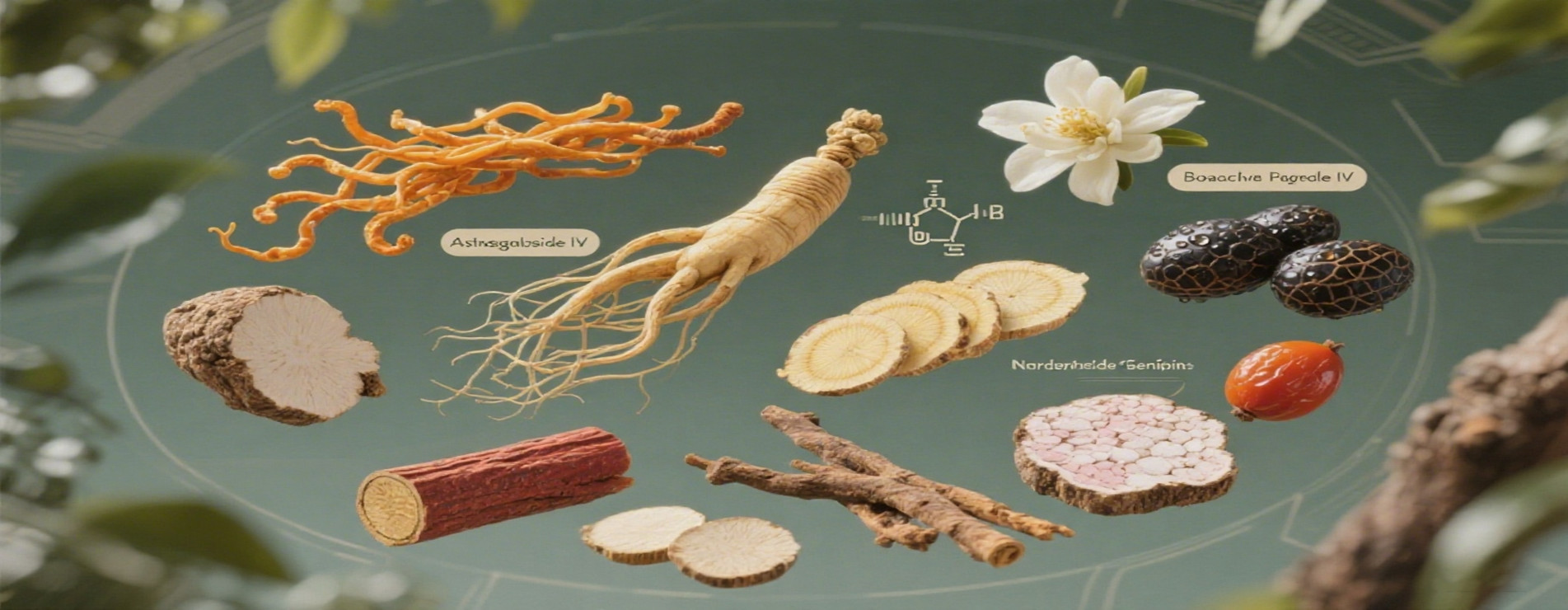
Cycloastragenol is a naturally occurring triterpenoid sapogenin associated with Astragalus species, particularly Astragalus membranaceus. It is closely related to astragaloside compounds and has attracted scientific interest because of its reported effects on telomerase activity and cellular aging-related pathways.
In the United States, Cycloastragenol occupies an interesting position between botanical research, nutraceutical ingredients, healthy-aging products and longevity-focused formulations.
The U.S. market already shows commercial and research activity around Cycloastragenol. Major scientific suppliers including Sigma-Aldrich, TCI America, Cayman Chemical and distributors such as VWR list Cycloastragenol for research and natural-product applications. Consumer-facing U.S. products also market Cycloastragenol as a longevity- and telomere-oriented ingredient.
For B2B buyers, however, the most important question is not simply whether a supplier offers “Cycloastragenol 98%.” Buyers should evaluate chemical identity, purity, analytical method, botanical source, batch consistency, COA documentation, heavy metals, residual solvents, microbiological specifications and regulatory positioning.
For manufacturers and ingredient distributors looking to enter the U.S. healthy-aging market, high-purity Cycloastragenol derived from Astragalus is a specialized botanical ingredient with applications spanning research, nutraceutical development and longevity-oriented product concepts.
· Cycloastragenol is a triterpenoid sapogenin associated with Astragalus.
· It is particularly associated with Astragalus membranaceus research.
· Cycloastragenol is structurally related to Astragalus saponins, including astragaloside compounds.
· Telomerase activation is one of the most important research areas surrounding Cycloastragenol.
· Preclinical studies have investigated Cycloastragenol in cellular aging, oxidative stress, immune-cell function and other biological pathways.
· U.S. scientific suppliers already offer Cycloastragenol, including ≥98% HPLC products.
· U.S. consumer products also demonstrate commercial interest in Cycloastragenol as a healthy-aging ingredient.
· FDA records show that a concentrated Astragalus extract containing >95% Cycloastragenol was the subject of a U.S. New Dietary Ingredient notification in 2010. This does not mean that FDA approved Cycloastragenol as a drug or dietary ingredient; NDI notifications have specific regulatory meanings.
· Product identity should be verified carefully because different databases and suppliers may associate Cycloastragenol with different CAS numbers.
· For B2B buyers, purity + analytical documentation + batch consistency are more meaningful than a simple “98%” marketing statement.
Cycloastragenol is a naturally occurring pentacyclic triterpenoid and sapogenin associated with the roots of Astragalus species.
It is particularly relevant to research involving Astragalus membranaceus, a botanical traditionally used in Asian herbal medicine.
Chemically, Cycloastragenol is closely associated with Astragalus triterpene saponins. PubChem describes it as an aglycone derivative of astragaloside IV and identifies it as a pentacyclic triterpenoid sapogenin.
Typical chemical information includes:
|
Property |
Cycloastragenol |
|
Common Name |
Cycloastragenol |
|
Botanical Source |
Astragalus species |
|
Key Source |
Astragalus membranaceus |
|
Chemical Class |
Pentacyclic triterpenoid |
|
Category |
Sapogenin |
|
Molecular Formula |
C₃₀H₅₀O₅ |
|
Molecular Weight |
490.72 g/mol |
|
Physical Form |
Powder |
|
Common Research Purity |
≥98% HPLC |
Commercial research suppliers in the U.S. market list Cycloastragenol at ≥98% HPLC, demonstrating that high-purity material is already established within the research-chemical supply chain.
This distinction is particularly important for B2B buyers.
Astragalus Extract is a botanical extract containing multiple naturally occurring constituents.
Cycloastragenol is a specific purified triterpenoid constituent associated with Astragalus.
Therefore, the terms should not be used interchangeably.
A standardized Astragalus extract may contain:
· Astragalosides
· Polysaccharides
· Flavonoids
· Saponins
· Other botanical constituents
Cycloastragenol represents a more specifically defined chemical constituent.
This makes it more appropriate when a formulation or research project requires:
· defined chemical identity
· high-purity active material
· analytical quantification
· reproducible experimental conditions
· controlled concentration
· mechanistic research
For this reason, CQHERB can position the product not simply as an ordinary Astragalus root extract, but as a specialized high-purity Astragalus-derived active ingredient.
The U.S. market shows interest in Cycloastragenol from several different directions.
Cycloastragenol is already available through major U.S.-facing scientific suppliers.
For example:
· Sigma-Aldrich lists Cycloastragenol ≥98% HPLC.
· TCI America lists Cycloastragenol as a research chemical.
· Cayman Chemical offers Cycloastragenol for research use.
· VWR lists multiple Cycloastragenol products from research suppliers.
This creates a clear B2B opportunity for suppliers capable of offering:
high purity + consistent batches + analytical documentation + competitive bulk pricing.
Beyond laboratory research, Cycloastragenol has become associated with the broader healthy-aging and longevity ingredient category.
Current U.S. consumer products illustrate this positioning.
For example, ProHealth Longevity markets a Cycloastragenol product at 10 mg per capsule and positions it around telomere and healthy-aging research.
Other U.S.-market products emphasize:
· telomere support
· longevity
· cellular health
· healthy aging
· antioxidant-related positioning
· high-purity Cycloastragenol
These commercial products demonstrate that Cycloastragenol is not limited to the laboratory-reagent market.
Instead, it sits at the intersection of:
Botanical Ingredients → Nutraceuticals → Healthy Aging → Longevity Research → Cellular Biology
This makes Cycloastragenol particularly interesting for ingredient manufacturers and distributors targeting premium U.S. markets.
One of the most frequently studied characteristics of Cycloastragenol is its relationship with telomerase activity.
Scientific research has reported that Cycloastragenol can stimulate telomerase activity in experimental systems.
For example, research published in PubMed reported Cycloastragenol-associated telomerase activation in neuronal and cellular models.
Another review described Cycloastragenol as a small-molecule telomerase activator and discussed its potential relevance to age-associated conditions, while also noting that further research is needed to clarify efficacy and potential adverse effects.
This makes telomerase one of the most important scientific keywords associated with Cycloastragenol.
Telomerase research does not mean that a Cycloastragenol ingredient has been proven to reverse aging or extend human lifespan.
For responsible B2B marketing, CQHERB recommends using language such as:
“Cycloastragenol has been investigated for its effects on telomerase activity and cellular aging-related pathways.”
rather than:
“Cycloastragenol reverses aging.”
This distinction is important for scientific credibility and regulatory risk management.
Scientific literature has explored Cycloastragenol across multiple biological research areas.
This is currently one of the most recognizable research directions.
Researchers have investigated:
· telomerase activity
· hTERT expression
· telomere biology
· cellular replicative capacity
· aging-related cellular pathways
Research has also investigated the relationship between Cycloastragenol and oxidative stress pathways.
A study reported that Cycloastragenol increased NRF2 nuclear localization and activity and affected downstream cytoprotective pathways in experimental models.
This provides a scientific basis for investigating Cycloastragenol in:
· oxidative stress research
· cellular defense pathways
· aging biology
· NRF2-related research
Earlier research investigated Cycloastragenol-related telomerase activity and cellular function in human CD8+ T lymphocytes.
Cayman Chemical's research documentation references work examining telomere loss, proliferative capacity and antiviral functions of CD8+ T cells.
This area may be relevant to researchers studying:
· immune-cell biology
· T-cell function
· cellular aging
· telomere biology
Experimental studies have also examined Cycloastragenol in bone-related models.
One study reported effects on osteogenic differentiation and mineralization through a telomerase-associated mechanism in cell and zebrafish models.
This remains an area of preclinical research, rather than established clinical treatment.
Rather than relying on unsupported market-size estimates, several concrete indicators can be observed.
Cycloastragenol is commercially listed by multiple established scientific suppliers serving the U.S. market.
Examples include:
· Sigma-Aldrich
· TCI America
· Cayman Chemical
· VWR/Avantor distribution channels
Cycloastragenol is also sold in U.S.-market supplements positioned around longevity and healthy aging.
FDA's public list of New Dietary Ingredient notifications includes a 2010 notification concerning a concentrated Astragalus membranaceus extract containing more than 95% Cycloastragenol for TA-65®.
This is an important historical market signal because it shows that Cycloastragenol-rich Astragalus ingredients have been considered within the U.S. dietary-ingredient regulatory framework.
However, an NDI notification should not be described as FDA approval.
FDA explains that when an ingredient qualifies as a new dietary ingredient, manufacturers or distributors may have notification obligations and must establish a reasonable expectation of safety under the proposed conditions of use.
For CQHERB, this is perhaps the most important commercial section.
Based on the current U.S. supplier landscape, buyers can be divided into several groups.
These companies may be looking for:
· bulk Cycloastragenol
· standardized Astragalus extract
· high-purity material
· stable supply
· documentation
· private-label ingredient support
Potential applications include formulations positioned around:
· healthy aging
· longevity research
· cellular health
· telomere research
Researchers may require:
· ≥98% purity
· analytical characterization
· COA
· HPLC data
· MS data
· NMR data
· SDS
· batch traceability
Distributors typically prioritize:
· competitive pricing
· MOQ flexibility
· reliable lead time
· export documentation
· repeatable specifications
· private-label or OEM support
For a specialized botanical active, purity is only one part of quality.
A professional supplier should be able to provide evidence for:
· Correct botanical source
· Correct chemical identity
· CAS/reference number
· Molecular formula
· Molecular weight
HPLC or another validated analytical method should be used to quantify the target compound.
Commercial U.S. suppliers currently list Cycloastragenol products at ≥98% HPLC, establishing this as a recognizable research-grade specification.
For commercial formulation, consistent purity between batches is critical.
Depending on the intended market, buyers may request:
· Heavy metals
· Residual solvents
· Microbial testing
· Pesticide residues
· Mycotoxins
· Other botanical contaminants
A professional B2B package may include:
· COA
· Specification Sheet
· SDS
· HPLC chromatogram
· MS data
· NMR data
· Certificate of Origin
· Manufacturing information
This deserves a separate section because it can cause confusion during international sourcing.
Different scientific databases and commercial suppliers currently display different CAS associations for Cycloastragenol.
For example:
· FDA's Substance Registration System identifies Cycloastragenol with UNII X37D9F2L0V and lists 78574-94-4 among its synonyms/mappings.
· Sigma-Aldrich lists a Cycloastragenol product under CAS 78574-94-4.
· NLM's MeSH database associates Cycloastragenol with 84605-18-5.
· Sigma-Aldrich also has a separate product record under 84605-18-5.
Therefore, professional buyers should verify CAS, stereochemical identity, InChIKey, analytical data and supplier documentation together, rather than relying on the CAS number alone.
For CQHERB's final product page, I recommend using the exact identity appearing on your own:
COA + Specification + HPLC + MS/NMR documentation.
This will make the product page much more credible to U.S. technical buyers.
These two ingredients are often confused because they are both associated with Astragalus.
|
Feature |
Cycloastragenol |
Astragaloside IV |
|
Category |
Triterpenoid sapogenin |
Triterpenoid saponin |
|
Botanical association |
Astragalus |
Astragalus |
|
Molecular Formula |
C₃₀H₅₀O₅ |
Different molecular structure |
|
Research focus |
Telomerase, cellular aging, signaling |
Saponin/pharmacological research |
|
Typical positioning |
High-purity active / longevity research |
Astragalus saponin research |
|
Commercial form |
Powder / high-purity compound |
Powder / standardized extract |
|
Buyer priority |
Purity & chemical identity |
Purity & standardized content |
Cycloastragenol is particularly attractive when a customer wants a defined active molecule rather than a broad-spectrum Astragalus extract.
CQHERB can position Cycloastragenol for several B2B applications.
· Healthy-aging formulations
· Longevity-oriented products
· Cellular health formulations
· Botanical active research
· Telomerase research
· Telomere biology
· Cellular aging
· Oxidative stress
· NRF2-related research
· Immune-cell research
Potential research interest may include:
· skin aging
· cellular protection
· skin barrier research
· oxidative stress
· fibroblast/keratinocyte models
These should be described as research and formulation applications, not as established disease-treatment claims.
When sourcing Cycloastragenol internationally, buyers should ask at least the following questions:
Ask for:
· CAS
· Molecular formula
· Molecular weight
· Structure
· InChIKey if available
Do not rely only on:
“98% Cycloastragenol”
Ask:
98% by which analytical method?
A chromatogram provides substantially more information than a simple specification statement.
This distinction can be commercially important depending on the application.
For botanical material, buyers should confirm:
Astragalus membranaceus
and the relevant plant part, such as root.
A professional B2B supplier should be able to provide relevant documentation upon request.
At CQHERB, our positioning is not simply:
“We sell Cycloastragenol.”
Our goal is to provide research-oriented botanical ingredients with transparent specifications and professional technical support.
For Cycloastragenol buyers, CQHERB can support projects requiring:
Suitable for research, ingredient development and specialized formulation projects.
For customers who need broader Astragalus extracts rather than isolated Cycloastragenol.
Available documentation can include:
· COA
· Specification Sheet
· SDS
· Analytical information
· Botanical source information
· Batch information
We can support different purchasing requirements, from:
Laboratory Samples → Small R&D Orders → Pilot Projects → Commercial Bulk Supply
CQHERB is positioned to support overseas buyers with:
· Product selection
· Technical documentation
· Sample evaluation
· Packaging
· Export support
· Bulk quotation
A conventional botanical extract contains a complex mixture of compounds.
Cycloastragenol provides a more specific chemical target.
This distinction can be important for:
Research reproducibility
and
formulation standardization.
For research applications, a defined compound allows researchers to better control:
· concentration
· dose
· experimental conditions
· analytical measurement
· batch comparison
For commercial formulations, a defined active may also make it easier to establish a consistent ingredient specification.
This is one reason high-purity Cycloastragenol can occupy a different commercial position from a conventional Astragalus root extract.
For the U.S. market, we recommend positioning Cycloastragenol around four major themes:
The strongest consumer-facing category.
The strongest scientific keyword.
The strongest ingredient-industry positioning.
The strongest commercial positioning for CQHERB.
This creates a clear product story:
Astragalus → Cycloastragenol → Telomerase Research → Healthy Aging → Premium Botanical Ingredient → B2B Supply
This point should be handled carefully on a professional B2B website.
FDA distinguishes dietary supplements from drugs. Dietary supplements fall under the food regulatory framework, while products intended to diagnose, cure, mitigate, treat or prevent disease may fall into drug territory.
For ingredients that qualify as new dietary ingredients, FDA's NDI framework may require premarket notification and information supporting a reasonable expectation of safety under the proposed conditions of use.
Therefore, CQHERB should avoid statements such as:
❌ “Cycloastragenol treats aging.”
❌ “Cycloastragenol cures age-related diseases.”
❌ “Clinically proven to extend human lifespan.”
Instead, use:
✅ “Cycloastragenol has been investigated for telomerase activity.”
✅ “Cycloastragenol is a research-active compound associated with Astragalus.”
✅ “Research has explored its potential relevance to cellular aging pathways.”
This approach makes the website more suitable for both scientific audiences and international B2B buyers.
Cycloastragenol is a naturally occurring triterpenoid sapogenin associated with Astragalus species, particularly Astragalus membranaceus.
No. Astragalus extract is a complex botanical preparation, while Cycloastragenol is a specific triterpenoid constituent associated with Astragalus.
Cycloastragenol is studied in areas including telomerase activity, cellular aging, oxidative stress and immune-cell biology.
There is clear commercial and research activity in the U.S. market. Major scientific suppliers and U.S. nutraceutical companies currently offer Cycloastragenol products.
For research and specialized ingredient applications, ≥98% HPLC is a commonly encountered high-purity specification among commercial research suppliers.
The regulatory status depends on the exact ingredient, formulation, intended use, labeling and applicable U.S. requirements. Buyers should conduct a product-specific regulatory review rather than assuming that commercial availability equals FDA approval. FDA's NDI framework is relevant where an ingredient qualifies as a new dietary ingredient.
Current scientific literature does not establish that Cycloastragenol extends human lifespan. Research has primarily focused on biological mechanisms such as telomerase activity and cellular pathways.
At minimum:
· COA
· Specification Sheet
· HPLC
· SDS
· Botanical source
· Batch information
· Heavy-metal testing where applicable
· Residual-solvent testing where applicable
If you are sourcing Cycloastragenol for nutraceutical development, botanical research, healthy-aging formulations or commercial ingredient applications, CQHERB can provide a professional B2B supply solution.
Our focus is:
High Purity
Consistent Quality
Transparent Documentation
Reliable Supply
Technical Support
Global B2B Service
Whether you need a laboratory sample, a development batch or commercial-volume supply, our team can work with you to determine the appropriate Cycloastragenol specification for your project.
Cycloastragenol represents an important specialized ingredient at the intersection of Astragalus botanical science, telomerase research, healthy aging and the growing longevity-oriented ingredient market.
The U.S. market already provides several signals of commercial interest: Cycloastragenol is listed by established scientific suppliers, appears in U.S. nutraceutical products and has a history of regulatory interaction through an NDI notification involving a Cycloastragenol-rich Astragalus extract.
For B2B buyers, however, the opportunity is closely connected to quality and documentation.
A reliable Cycloastragenol supplier should provide more than a purity number. Buyers should evaluate chemical identity, analytical methodology, botanical source, batch consistency and supporting documentation.
CQHERB aims to provide Cycloastragenol and Astragalus-derived botanical ingredients for international research, nutraceutical and ingredient-development markets, with a focus on quality, transparency and reliable B2B supply.



 IPv6 network supported